

The Proper Way to Store Coffee Beans and Ground Coffee: Blue Collar Guide to Freshness
Your coffee loses flavor fast when stored wrong. Four factors kill freshness: air, light, heat, moisture. Control these. Keep strong coffee strong.
Storage Basics
Container Requirements:
- Airtight seal
- Opaque material (blocks light)
- No clear glass or plastic
- Stainless steel, dark glass, ceramic work best
Location Standards:
- Cool, dark place
- Away from heat sources
- Temperature range: 60-75°F
- Stable environment
- No direct sunlight
Moisture Control:
- Never refrigerate coffee
- Avoid humid areas
- Keep away from dishwashers, sinks
- No freezer unless long-term storage
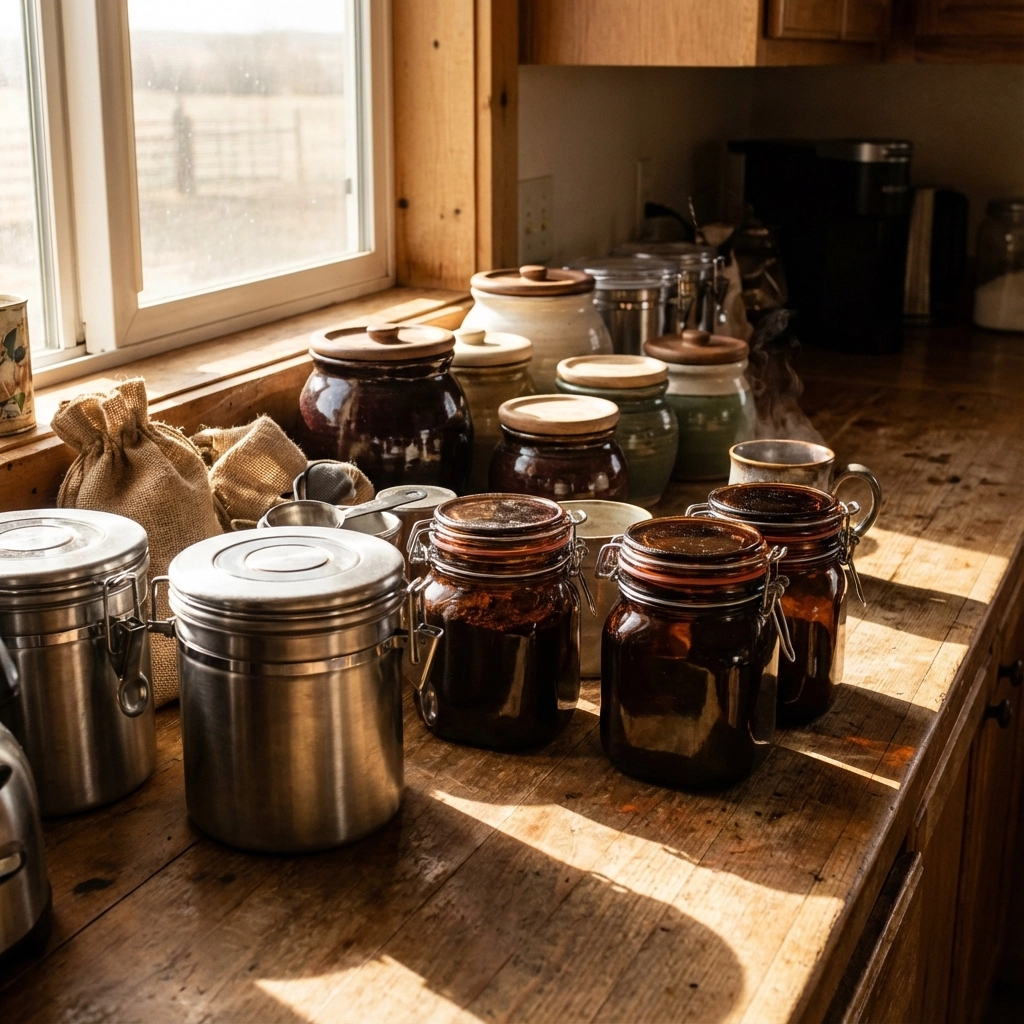
Container Options by Work Situation
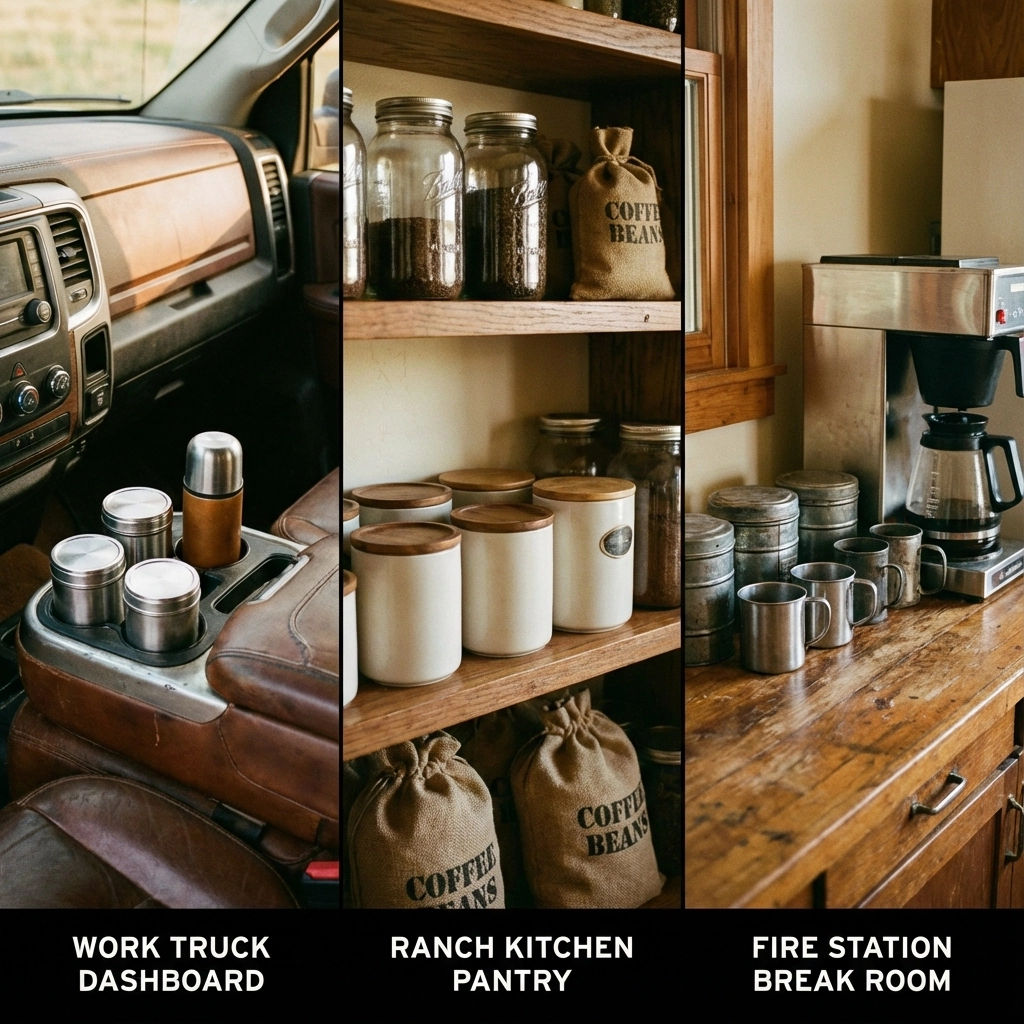
Ranch Kitchen Storage
- Large airtight containers for bulk purchases
- Multiple smaller containers for weekly portions
- Store in pantry away from stove heat
- Label with roast dates
Work Truck Setup
- Small sealed containers
- Single-serve portions
- Avoid glove compartment (heat exposure)
- Use insulated storage box if available
Station House Storage
- Shared space requires labeled containers
- Airtight to prevent odor absorption
- Away from equipment heat sources
- Individual portions reduce waste
Container Types
Airscape Containers:
- One-way valve system
- Releases CO₂, blocks oxygen
- Best for daily use
- Preserves bean freshness
Vacuum Seal Systems:
- Removes all air
- Maximum freshness retention
- Good for bulk storage
- Requires proper sealing technique
Original Packaging:
- Acceptable short-term
- Must have resealable closure
- Transfer to better container within week
- Check valve presence
Whole Beans vs Ground Coffee
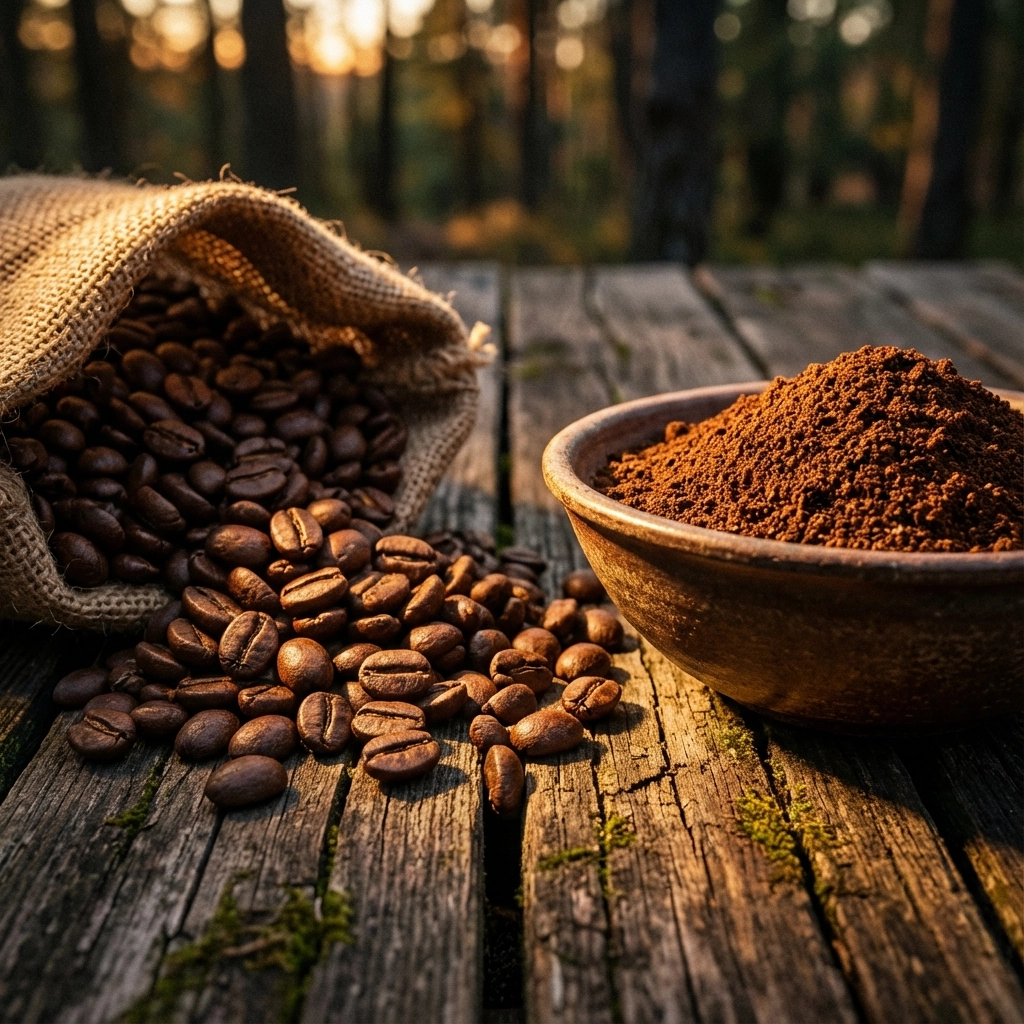
Whole Bean Storage
Advantages:
- Less surface area exposed to air
- Slower flavor degradation
- 2-4 week freshness window
- Better long-term storage option
Requirements:
- Grind before each use
- Airtight container essential
- Room temperature storage
- Away from strong odors
Ground Coffee Storage
Challenges:
- High air exposure after grinding
- Rapid flavor loss
- 1-2 week maximum freshness
- Requires immediate proper storage
Best Practices:
- Divide into weekly portions
- Separate containers for each portion
- Minimize air exposure during use
- Use oldest portions first
Location Guidelines
Avoid These Areas:
- Above or near stoves
- Kitchen windows
- Near dishwashers
- Bathroom storage
- Garage spaces
- Direct sunlight exposure
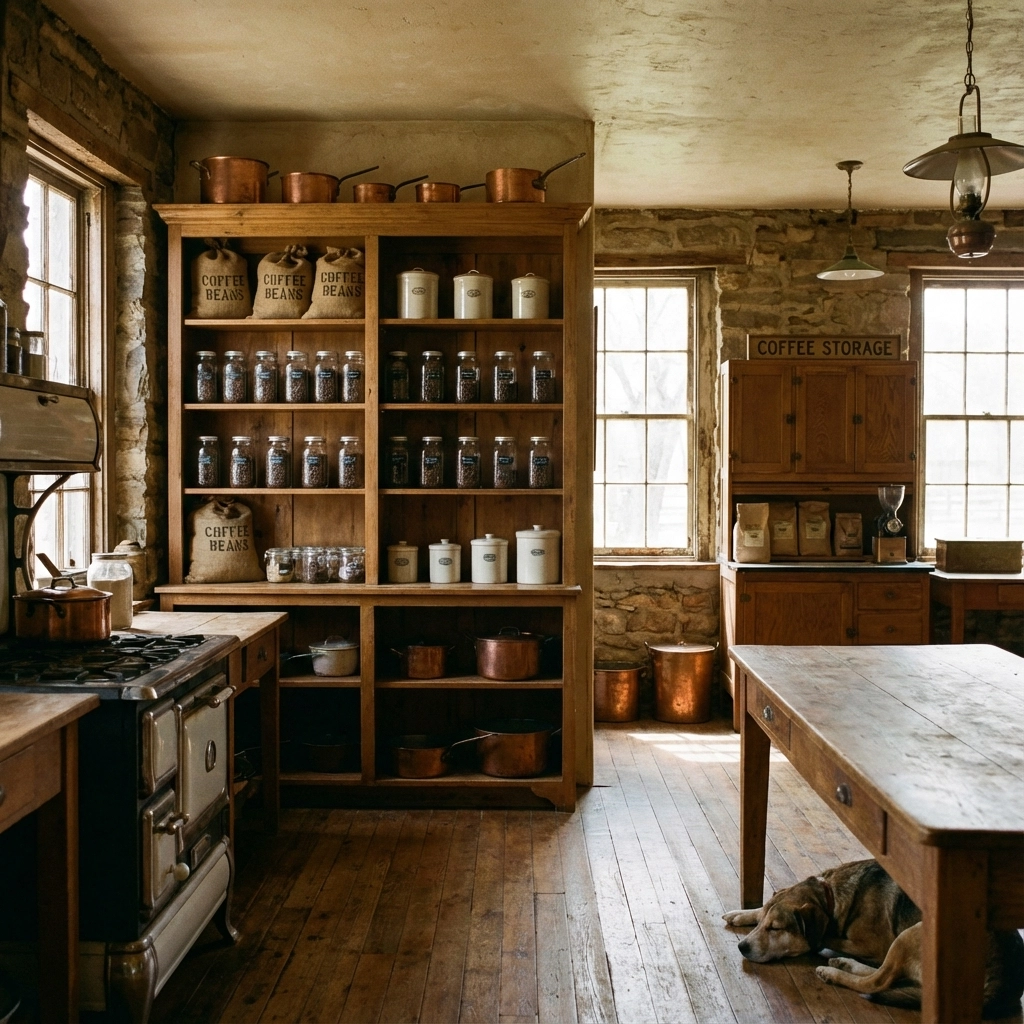
Recommended Locations:
- Pantry shelves
- Kitchen cabinets away from appliances
- Basement storage (if dry)
- Interior closets
- Office storage areas
Temperature Management
Optimal Range: 60-75°F with stable conditions
Heat Sources to Avoid:
- Oven proximity
- Dishwasher steam
- Window exposure
- Heating vents
- Electronic equipment heat
Cold Storage Rules:
- Room temperature preferred
- Freezer only for long-term (3+ months)
- Vacuum seal before freezing
- Thaw once only
- No refrigerator storage
Work Environment Considerations
Early Morning Shifts
- Pre-portion coffee night before
- Use timer containers for quick access
- Store in work area overnight
- Minimize morning prep time
Long Shifts (12+ hours)
- Multiple small containers
- Portion control prevents waste
- Fresh portions for each break
- Rotate stock regularly
Outdoor Work
- Insulated storage containers
- Protection from temperature swings
- Moisture barrier essential
- Secure storage from elements
Shared Workspaces
- Individual labeled containers
- Personal storage areas
- Prevent cross-contamination
- Clear usage protocols
Purchase and Storage Strategy
Buying Guidelines:
- Purchase 2-4 week supply maximum
- Check roast dates before buying
- Buy coffee online for freshness guarantees
- Bulk purchases require proper division
Stock Rotation:
- First in, first out system
- Label all containers with dates
- Track usage patterns
- Adjust purchase quantities accordingly
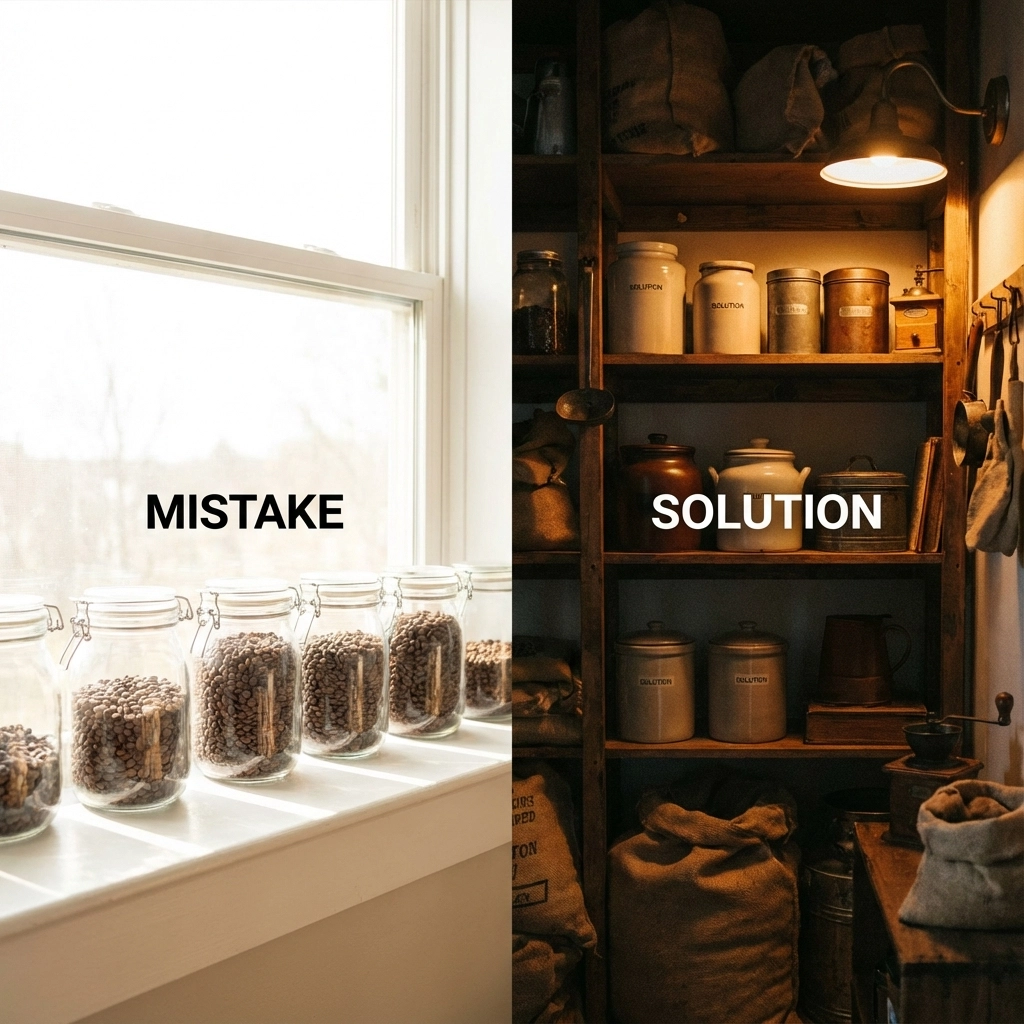
Common Storage Mistakes
Mistake: Using clear containers Fix: Switch to opaque storage
Mistake: Storing near heat sources Fix: Move to cool, stable location
Mistake: Refrigerating coffee Fix: Room temperature storage only
Mistake: Large container for daily use Fix: Portion into smaller containers
Mistake: Ignoring roast dates Fix: Label and track freshness
Quick Reference Checklist
Daily Storage: □ Airtight container □ Cool, dark location □ Room temperature □ Away from heat sources □ Labeled with date
Weekly Setup: □ Portion coffee into smaller containers □ Check stock levels □ Rotate older coffee first □ Clean containers before refilling □ Plan next purchase
Long-term Storage: □ Vacuum seal bags □ Freezer storage if needed □ Label with freeze date □ Single thaw cycle only □ Use within 6 months
Work Environment: □ Personal storage space □ Portable containers as needed □ Protection from elements □ Easy access during breaks □ Minimize waste
Bottom Line
Fresh coffee requires simple discipline. Airtight containers in cool, dark places preserve flavor. Whole beans last longer than ground. Purchase amounts you use within 2-4 weeks. Strong coffee stays strong when stored properly.
Avoid heat, light, air, moisture. Use proper containers. Store in stable locations. Follow these rules. Your morning coffee stays consistent.